

The Lasting Impact of Trauma & Difficult Life Experiences Counselling.
In Upper Heyford, near Bicester, Oxfordshire & Online.
Sometimes life experiences stay with us long after the event itself has passed.
Whether you've experienced bullying, relationship difficulties, bereavement, emotionally difficult childhood experiences, a traumatic event, medical treatment, workplace experiences or another significant life event, those experiences can continue to influence how you think, feel, relate to others and respond to the world.
Not everyone who experiences trauma develops post-traumatic stress disorder (PTSD), and not every difficult experience is described as trauma. Yet many people notice that certain patterns, emotional responses or beliefs about themselves continue to appear years later.
Counselling and psychotherapy provide a compassionate, confidential space to explore these experiences, understand their lasting impact and develop a greater sense of self-understanding and emotional wellbeing.
UNDERSTANDING YOUR EXPERIENCES
When the past still feels like the present.
Most people don't think about difficult experiences every day.
Instead, they may notice the impact in other ways.
Perhaps you find yourself expecting the worst, struggling to trust others, avoiding certain situations or becoming overwhelmed by emotions that seem stronger than the situation calls for. You may be highly self-critical, constantly on guard or find yourself reacting in ways you don't fully understand.
Sometimes people don't realise that an earlier experience may still be affecting them until they begin noticing recurring patterns in their relationships, confidence, emotional wellbeing or sense of safety.
These responses aren't signs that something is wrong with you. Often, they're understandable adaptations to experiences that once felt overwhelming.
Looking beyond the event itself.
Counselling isn't about repeatedly revisiting painful experiences or encouraging you to relive what happened.
Instead, it provides a safe, supportive space to understand how past experiences may still be influencing your life today.
Some people come to therapy after a single traumatic event. Others have experienced a series of smaller but emotionally significant experiences that have gradually shaped the way they see themselves, other people and the world around them.
Together, we can explore these patterns with curiosity, compassion and at a pace that feels safe for you.
Where specialist trauma treatment would be more appropriate, we'll discuss this openly and consider the support that best meets your needs.
You may recognise some of these experiences.
Feeling constantly on edge or expecting something to go wrong
Finding it difficult to trust other people
Avoiding certain places, situations or conversations
Feeling emotionally overwhelmed by situations that seem small to others
Being highly self-critical or constantly blaming yourself
Feeling responsible for keeping everyone else happy or safe
Struggling to relax or switch off
Feeling disconnected from yourself or others
Repeating similar relationship patterns
Feeling as though the past still influences your present
Wondering why certain experiences continue to affect you years later
Feeling unsure whether what you experienced "counts" as trauma.
How counselling & psychotherapy may support you.

Understanding recurring patterns
Explore how earlier life experiences may still be influencing your thoughts, emotions, relationships and everyday responses.

Develop greater self-compassion
Understand that many emotional responses began as understandable ways of coping, allowing you to respond to yourself with greater kindness rather than self-criticism.
Feel safer in the present
Develop greater awareness of your emotional responses, helping you feel more grounded, regulated and connected to the present rather than the past.

Move forward with greater confidence
Build a stronger understanding of yourself, your resilience and your capacity to create meaningful change without feeling defined by what has happened.

IMAGINE RESPONDING DIFFERENTLY
Imagine feeling less influenced by the past.
Feeling calmer in situations that once felt overwhelming.
Understanding your emotional responses with greater compassion.
Feeling more confident in your relationships.
Trusting yourself more.
Feeling less controlled by old fears or beliefs.
Responding rather than reacting.
Feeling more connected to who you are today.
Recognising that your past is part of your story, but doesn't have to define your future.
Counselling and psychotherapy aren't about changing the past or pretending difficult experiences didn't happen. They provide a supportive space to understand how those experiences may still be affecting you today, helping you move forward with greater awareness, self-understanding and emotional freedom.

A PERSONALISED APPROACH BUILT AROUND YOU
Working together in a way that feels right for you.
No two people arrive with the same experiences, challenges or goals, which is why I don't believe in a one-size-fits-all approach to therapy.
I work in an integrative and pluralistic way, meaning I tailor our work around you rather than expecting you to fit a particular therapeutic model.
My work is grounded in Person-Centred principles, with the therapeutic relationship sitting at the heart of our work together. Depending on your needs, goals and preferences, we may also draw upon Psychodynamic Therapy, Cognitive Behavioural Therapy (CBT), Solution-Focused approaches, mindfulness and Solution-Focused Hypnotherapy, where appropriate and agreed.
The aim isn't to define you by what has happened. It's to better understand how your experiences may still be influencing your life today, helping you develop greater awareness, self-understanding and choice in how you respond moving forward.



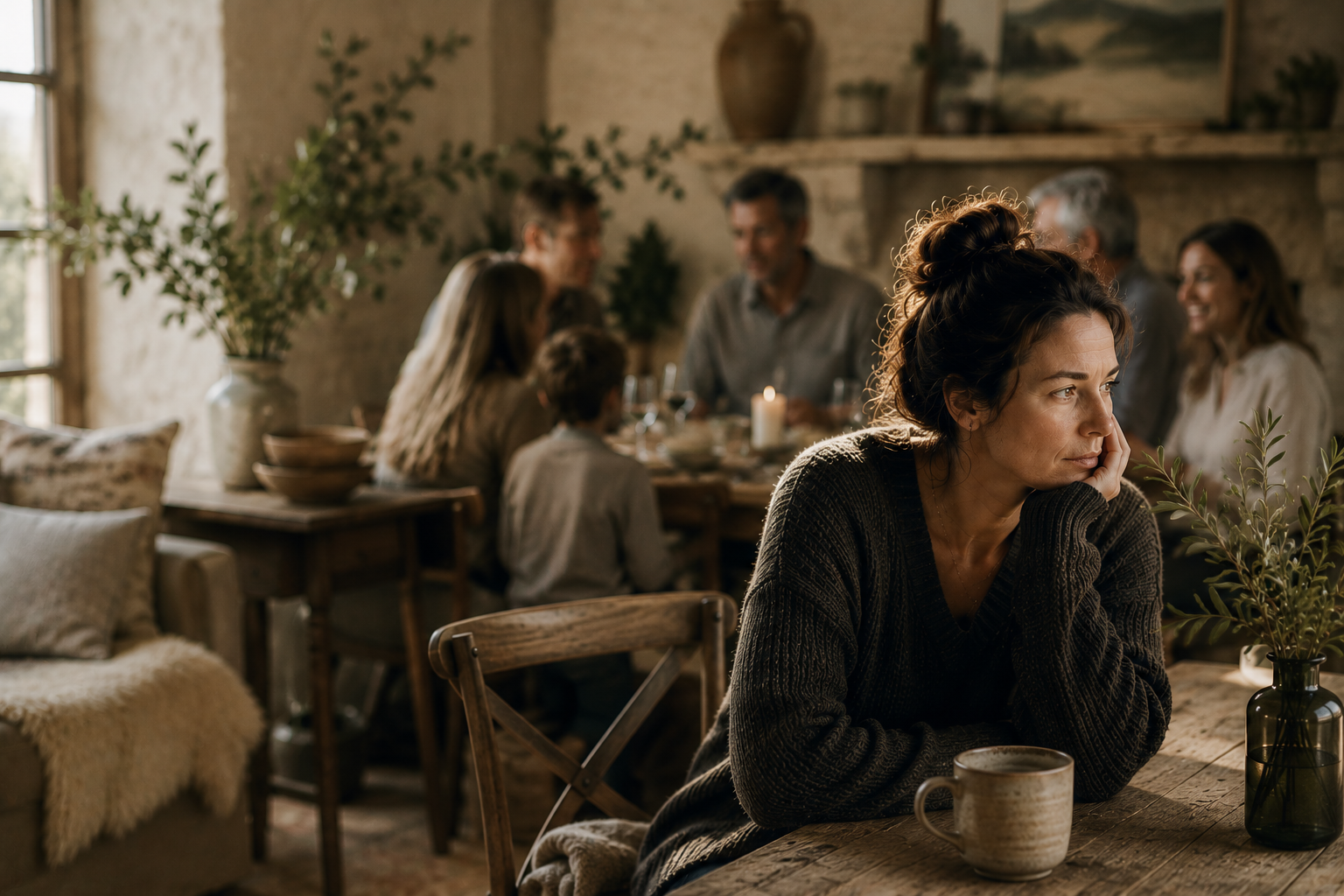

Ready to take the first step?
If you've found your way to this page, there's a good chance you've recognised something in your own experience.
You may already know what you'd like support with, or perhaps you're simply looking for a therapist whose approach feels right for you.
The first step is to book an Initial Consultation. This is a 50–60 minute appointment where we'll explore what has brought you to therapy, discuss what you're hoping to gain from counselling, and answer any questions you may have. It's also an opportunity for us both to consider whether my way of working feels like the right fit.
As an integrative and pluralistic counsellor and psychotherapist, I don't believe in a one-size-fits-all approach. Therapy is tailored to you, your experiences, your strengths and your goals.
There is no pressure or obligation to continue afterwards. If we both feel we're the right fit to work together, we'll agree a plan for ongoing therapy at a pace that feels right for you.
A few things you may be wondering.
-
Many people assume trauma only refers to major life-threatening events, but trauma can mean different things to different people. Experiences such as bullying, emotionally difficult childhood experiences, relationship abuse, bereavement, medical treatment, accidents or other overwhelming events can all have a lasting emotional impact. You don't need to label your experience as trauma for therapy to be helpful.
-
Yes. Sometimes people seek counselling because an experience from months or even years ago still seems to influence how they think, feel, relate to others or respond to certain situations. Therapy provides an opportunity to understand those patterns and explore how earlier experiences may still be affecting your life today.
-
No. Therapy doesn't have to involve describing every detail of a difficult or traumatic experience. Some people find it helpful to talk about the event itself, whilst others prefer to focus on how it continues to affect them today. We'll work collaboratively and at a pace that feels safe and appropriate for you.